
Garlic & Lemon for Vision: What You Need to Know
Garlic and lemon are often touted as “miracle cures” for eyesight. While they cannot reverse vision problems or replace medical care, they do support eye health indirectly through overall wellness.
How They Help
1. Garlic (Immune & Circulation Support)
Rich in allicin, a natural compound with antioxidant and anti-inflammatory properties
Supports blood circulation, which is important for ocular health
May reduce oxidative stress that contributes to eye aging
2. Lemon (Vitamin C Powerhouse)
High in vitamin C, a potent antioxidant
Helps protect the eyes from free radical damage
Supports collagen formation, which is important for eye structure and blood vessels
3. Combined Effect
Both are anti-inflammatory and antioxidant-rich
Regular dietary intake may slow age-related degeneration
Supports overall health, which can indirectly benefit vision
What Garlic & Lemon Will NOT Do
❌ They cannot cure cataracts, glaucoma, or macular degeneration
❌ They will not correct nearsightedness, farsightedness, or astigmatism
❌ They do not replace professional eye care or surgery
How to Safely Use Garlic & Lemon for Eye Health
Option 1: Daily Immune & Eye Support Drink
1–2 cloves fresh garlic, crushed
Juice of ½ a lemon
1 cup warm water
Optional: honey for taste
Instructions:
Let crushed garlic sit 5–10 minutes to activate allicin
Mix with warm water and lemon juice
Drink once daily
Option 2: Add to Diet
Garlic: sautéed, roasted, or raw in small amounts
Lemon: fresh juice on salads, vegetables, or water
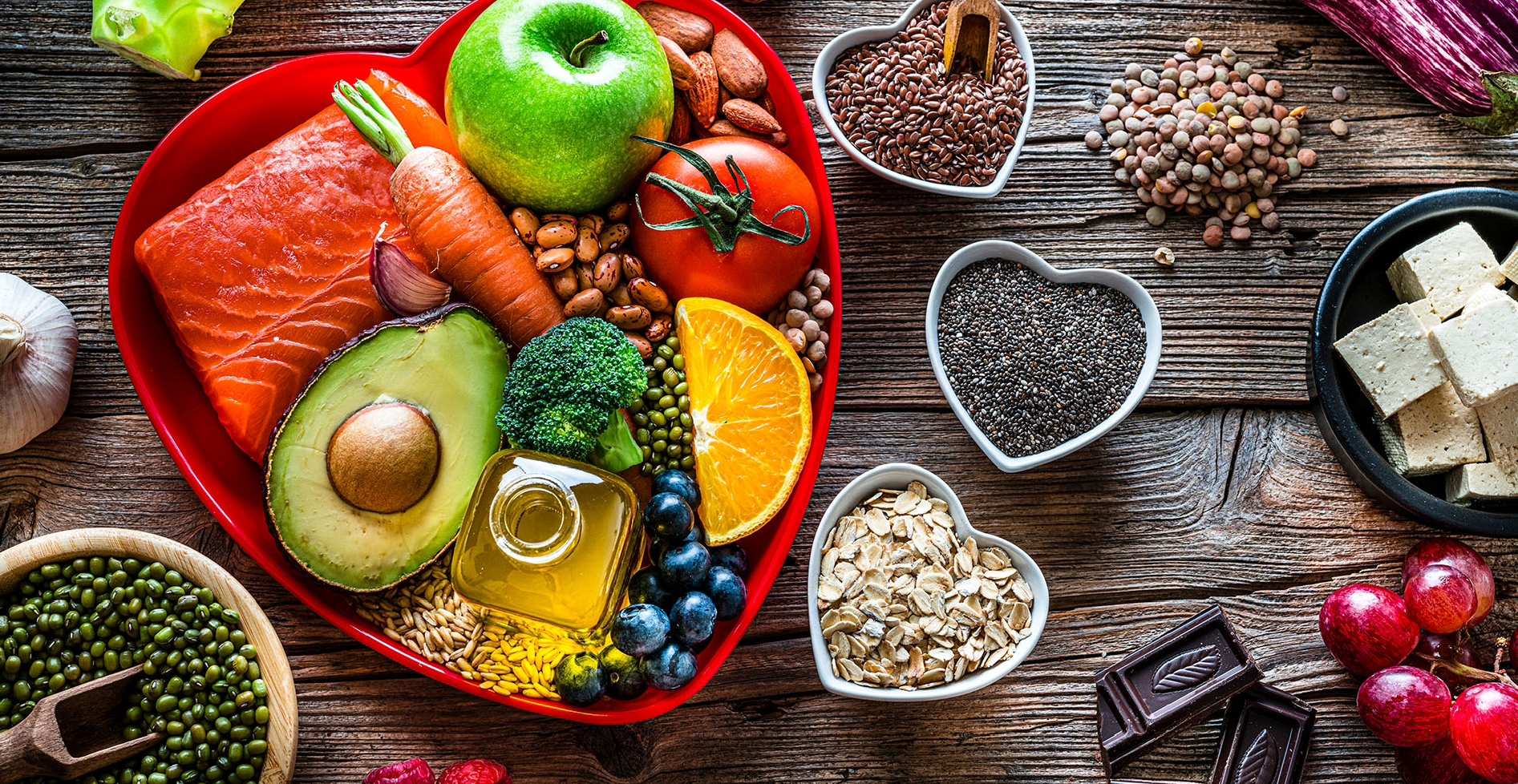
Pair with foods rich in vitamin A, lutein, zeaxanthin, and omega-3s for eye support
Pro Tips
Consistency matters: Benefits come from long-term dietary use, not single doses
Avoid overdoing raw garlic: Can irritate the stomach
Combine with other eye-healthy foods: Carrots, spinach, kale, fish, nuts
Regular check-ups: Only an optometrist can diagnose or treat vision problems
Bottom Line
Garlic and lemon are supportive foods for eye health, mainly through antioxidant and circulation benefits. They do not cure poor eyesight, but including them as part of a healthy diet can help protect your eyes long-term.