Sugar Apple (Annona squamosa): A Sweet Fruit with Powerful Health Benefits
Introduction
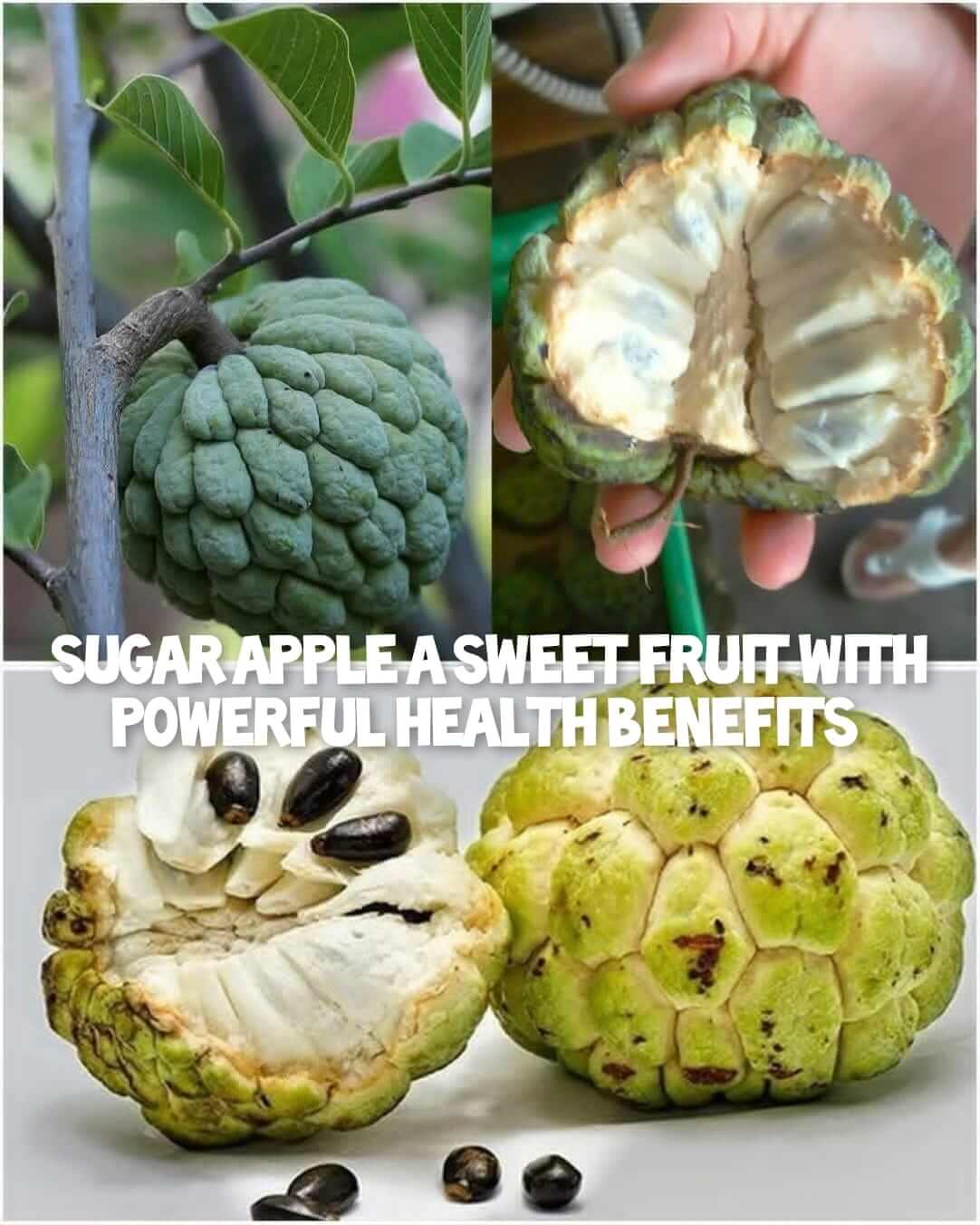
Sugar apple, also known as custard apple, sitaphal, or sharifa, is a tropical fruit loved for its creamy texture and naturally sweet flavor. Beneath its knobby green skin lies soft white pulp packed with vitamins, minerals, antioxidants, and natural sugars, making it both nourishing and energizing.Traditionally used in Asian and tropical cultures, sugar apple is valued not only as a fruit but also for its digestive, immune-boosting, and energy-enhancing properties.
Nutritional Highlights (Per 100 g approx.)
Calories: ~95 kcal
Carbohydrates: ~24 g
Fiber: ~3 g
Vitamin C
Vitamin B6
Potassium
Magnesium
Antioxidants (polyphenols)
Health Benefits
Boosts Energy Naturally
High natural sugar content provides quick energy
Ideal for weakness, fatigue, or recovery days
Supports Digestive Health
Rich in dietary fiber
Helps prevent constipation
Gentle on the stomach when ripe
Strengthens Immunity
Vitamin C supports immune defenses
Helps fight infections and inflammation
Supports Heart Health
Potassium helps regulate blood pressure
Magnesium supports healthy heart rhythm
Good for Brain & Nerves
Vitamin B6 supports nerve function
Traditionally considered calming and nourishing
Supports Healthy Weight Gain
Helpful for underweight individuals
Provides calories without processed sugars
How to Eat Sugar Apple (Basic Method)
Ingredients
Ripe sugar apple – 1
Instructions
Wash the fruit well.
Gently pull apart or cut open.
Remove black seeds (do not chew or eat).
Eat the soft pulp with a spoon.
Best eaten fresh and fully ripe
Simple Sugar Apple Smoothie Recipe
Ingredients
Sugar apple pulp – ½ cup
Milk or almond milk – 1 cup
Honey (optional) – 1 teaspoon
Cardamom powder – a pinch
Instructions
Remove all seeds from the pulp.
Add pulp, milk, honey, and cardamom to a blender.
Blend until smooth.
Serve chilled.
Tips for Best Use
Always eat fully ripe sugar apple
Remove seeds completely (they are toxic if crushed)
Best time to eat: morning or afternoon
Avoid combining with heavy meals
Consume in moderation
Precautions
Do NOT eat seeds (toxic if chewed)
Diabetics should limit portions due to natural sugars
Overconsumption may cause bloating
Not recommended during diarrhea
Wash hands after handling seeds
Final Thoughts
Sugar apple is more than just a delicious fruit—it’s a natural energy booster, digestive supporter, and immunity enhancer. When eaten ripe and in moderation, it offers impressive health benefits with a rich, dessert-like taste.