The Powerful Wellness Seed Known as Black Cumin
It Cures Everything but Death” – The Powerful Wellness Seed Known as Black Cumin
A Complete Article + Recipe (Safe & Accurate)
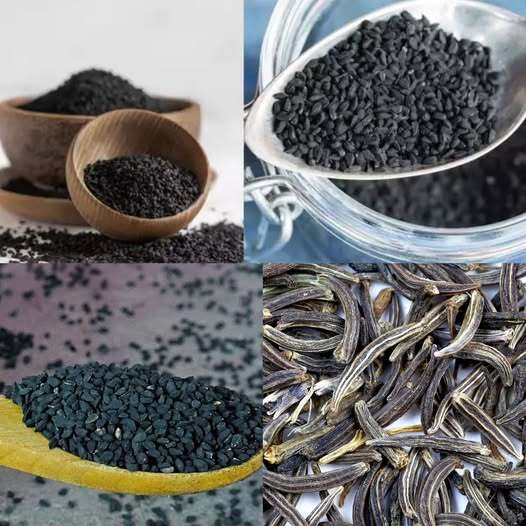
Black cumin seeds — commonly known as Black Seed, Kalonji, or Nigella sativa — have been treasured for centuries in Middle Eastern, South Asian, and African cultures. Often described in traditional sayings as the seed that “cures everything but death,” black cumin is considered a holistic superfood because of its rich antioxidants, healthy fats, and natural healing properties.
While it does not cure all diseases, modern research confirms that black seed may support immunity, digestion, inflammation control, and general wellness when used regularly as part of a balanced lifestyle.
Below is a complete guide + traditional wellness recipe for everyday use.
What Is Black Cumin (Nigella Sativa)?
Black cumin is the tiny black seed of the Nigella sativa plant.
It has a warm, slightly bitter, peppery taste and is widely used in:
- Herbal wellness
- Traditional medicine
- Bread, pickles, and spice mixes
- Oils and supplements
The seed is rich in thymoquinone, a natural compound known for antioxidant and anti-inflammatory properties.
Top Science-Backed Benefits of Black Seed
1. Supports Immune Health
Rich in antioxidants and plant compounds that help the body fight oxidative stress.
2. Helps Reduce Inflammation
Thymoquinone may help ease mild inflammation in the body.
3. Supports Healthy Digestion
Traditionally used for bloating, gas, stomach discomfort, and indigestion.
4. May Support Balanced Blood Sugar
Early research suggests it may assist metabolic health when used with diet and lifestyle changes.
5. Helps Ease Seasonal Allergies
Black seed oil may support healthy breathing and nasal comfort.
6. Supports Heart Health
Contains healthy fats that may help maintain normal cholesterol levels.
7. Naturally Antimicrobial
Can help support the body’s defense against harmful bacteria.
8. Good for Skin & Hair
Oil is commonly used for hydration, scalp health, and reducing dryness.
9. Rich in Nutrients
Contains vitamins, minerals, amino acids, and essential fatty acids.
Traditional Black Seed Wellness Recipe
(Safe, simple, and commonly used in homes for general health)
Ingredients
1 teaspoon black cumin seeds (kalonji)
1 teaspoon honey
½ cup warm water (not hot)
Optional additions:
½ tsp lemon juice
A pinch of cinnamon
1 tsp black seed oil (instead of whole seeds)
Instructions
1. Crush the Seeds (Optional but helpful)
Lightly crush the black seeds using a mortar & pestle.
This helps release their natural oils.
2. Mix With Warm Water
Add the crushed seeds to warm (NOT boiling) water.
3. Add Honey
Stir in honey to balance the bitterness and boost antioxidant value.
4. Drink Once Daily
Preferably in the morning before breakfast.
Do not exceed 1 teaspoon per day if you’re new to black seed.
Alternative: Black Seed Tea
1 cup hot water
½ teaspoon black cumin seeds
Steep 5–7 minutes
Add honey or lemon
Milder and easier on the stomach.
Alternative: Black Seed Oil Remedy
- ½ teaspoon black seed oil
- 1 teaspoon honey
Take once daily.
How Often to Use
2–5 days per week is ideal.
Start slowly if you’re sensitive.
Is It Really a Cure for Everything?
No — the famous phrase is traditional folklore, not medical fact.
Black cumin supports wellness but cannot cure diseases on its own.
Safety & Precautions
Always keep it safe and realistic:
- Do not exceed 1 teaspoon per day (seeds) or ½ teaspoon (oil).
- Pregnant women should avoid medicinal amounts.
- People with low blood pressure should use cautiously.
- Those on medications (especially diabetes or hypertension) should consult a doctor.
- Not a substitute for medical treatment.
How to Use Black Seed Daily
- Mix into honey
- Sprinkle on bread, yogurt, or salads
- Add to lentils or curries
- Make herbal tea
- Use black seed oil on skin or hair
What Black Cumin Is Traditionally Used For
Black cumin (Nigella sativa), also known as black seed or kalonji, has been valued for centuries in Middle Eastern, South Asian, and African traditional medicine. While modern science is still studying its full effects, traditional cultures have long used black cumin for a wide range of purposes, mainly for general wellness, comfort, and digestive support. Here are the most common historical uses:
1. Supporting Digestion
Traditional systems like Unani and Ayurveda used black cumin seeds to help ease common digestive discomforts, such as gas, bloating, and heaviness after meals.
2. General Immune Support
Black cumin oil and seeds have been regarded as a natural tonic believed to promote overall wellness and resilience, especially during seasonal changes.
3. Respiratory Comfort
Historically, the seeds were warmed or mixed with honey to provide soothing relief during cold weather, supporting clearer breathing.
4. Energy & Vitality
Many cultures used black cumin as a daily supplement to support stamina and overall vitality.
5. Skin & Hair Traditions
Black seed oil has been applied topically to moisturize the skin, soothe dryness, and nourish hair.
It has also been used culturally in scalp massage to support healthy-looking hair.
6. Women’s Traditional Wellness
In many regions, black cumin was used in tonics for postpartum recovery and general hormonal balance — based purely on cultural practices.
7. Joint & Muscle Comfort
Because of its warming nature, black cumin oil was traditionally rubbed onto joints and muscles to ease stiffness.
8. Culinary Uses
Besides medicinal traditions, black seeds are a beloved spice:
Added to breads
Sprinkled on curries
Used in pickles
Mixed into yogurt or chutneys
Who Should Be Careful When Using Black Cumin (Black Seed / Kalonji)
Black cumin is widely used in traditional remedies, but some people should still use it cautiously. While it is generally safe when used in normal culinary amounts, concentrated forms like oils, extracts, or medicinal mixtures may not be suitable for everyone.
1. Pregnant Women
Traditional practitioners often advise caution because strong herbs and oils may stimulate the uterus.
Small food amounts are usually fine, but concentrated oils or remedies should be avoided unless approved by a doctor.
2. Breastfeeding Mothers
There is not enough research on high doses of black seed during breastfeeding.
It’s best to avoid medicinal doses and stick to normal food use only.
3. People Taking Medication
Anyone on long-term treatment should be cautious, especially those taking:
Blood pressure medicines
Blood thinners
Diabetes medications
Immunosuppressants
Black cumin may interact with the body’s natural processes, so it’s better to check with a doctor before using it regularly as a remedy.
4. People With Low Blood Pressure
Traditional belief suggests black seed may help relax blood vessels.
Anyone who naturally has low blood pressure should be careful with daily high doses.
5. Individuals With Bleeding Disorders
Black seed oil may slow clotting in some individuals.
Those with bleeding issues or upcoming surgery should use it cautiously.
6. Anyone With Allergies
People sensitive to herbs, seeds, or aromatic plants should try a small test amount first to check for reactions.
7. Children
Black cumin used as a spice is fine, but strong herbal mixtures, oils, or extracts are not recommended for young children unless approved by a pediatric professional.
Conclusion
Black cumin (Kalonji) is a powerful wellness seed with a long history of traditional use. While it does not cure every illness, it can support immunity, digestion, inflammation reduction, and overall energy when used safely and consistently. Easy to grow, easy to store, and easy to use — it truly deserves a place in every home.