
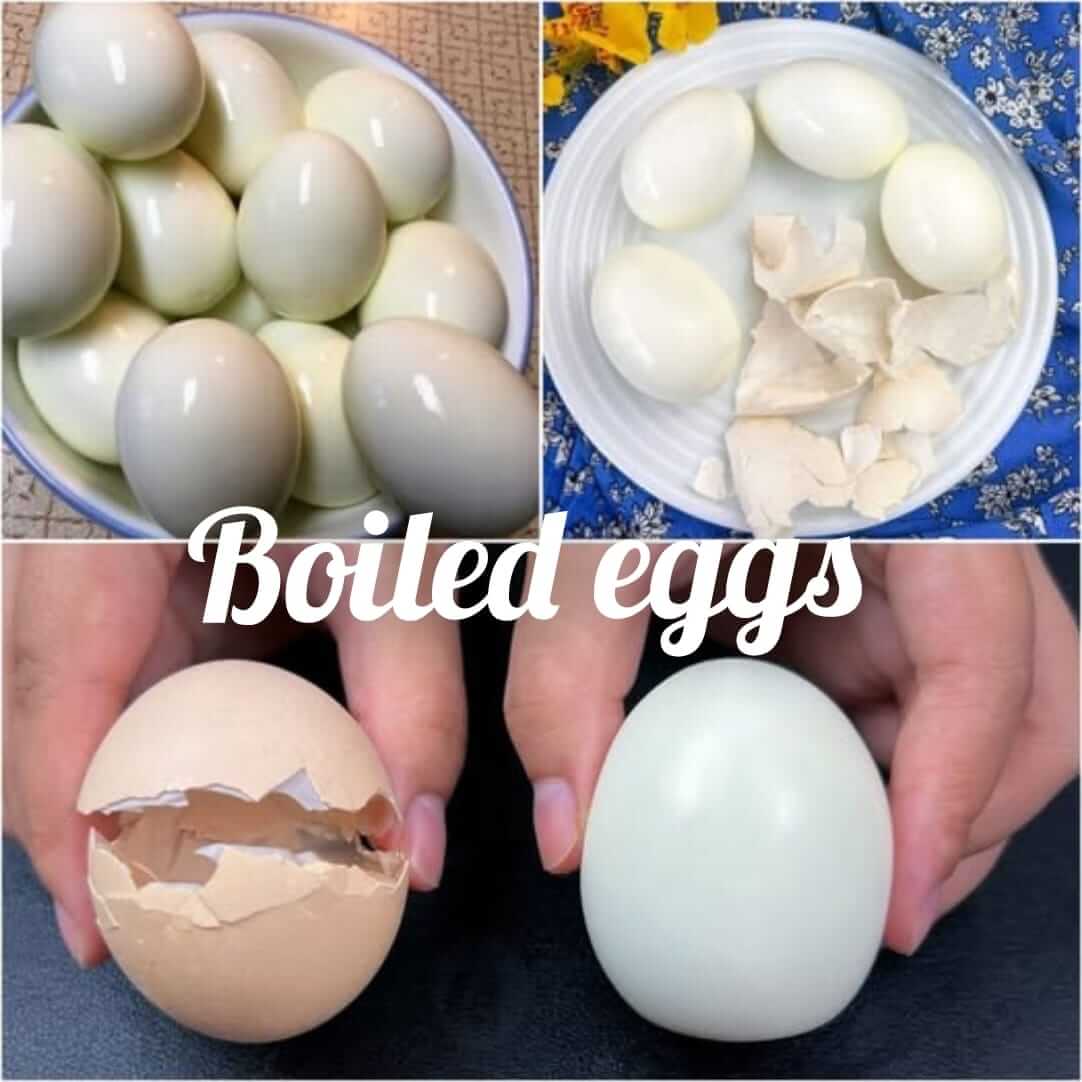
Why It’s Not a Good Idea to Pour Cold Water Straight Into the Pot for Boiled Eggs
It may seem straightforward to boil eggs, but how you begin will determine whether they are perfectly cooked and simple to peel. One major error that many people make is to put eggs directly in cold water and then turn on the heat.That may seem innocuous, but it’s the reason why most eggs crack, cook unevenly, and adhere to their shells.
Here’s what chefs and kitchen pros do instead
The Common Mistake: Cold Water Start
When you add eggs to cold water and heat them up together:
The temperature rises slowly, causing the egg whites to stick to the shell.
Sudden air expansion inside can make the shell crack before cooking evenly.
You often end up with rubbery whites and under- or overcooked yolks.
The Correct Way to Boil Eggs
You’ll need:
Fresh eggs
A pot of boiling water
A bowl of ice water (for after cooking)
Instructions:
Bring a pot of water to a gentle boil first — don’t add the eggs yet.
Once boiling, use a spoon or ladle to gently lower the eggs into the pot.
Boil for:
6–7 minutes for soft-boiled (runny yolk)
9–10 minutes for medium
11–12 minutes for hard-boiled
Once done, immediately transfer the eggs into a bowl of ice water (or very cold water).
This stops cooking instantly and prevents the green ring around the yolk.
Let them cool for 5–7 minutes, then peel under running water for the easiest results.
Pro Tips
Add 1 teaspoon of vinegar or salt to the boiling water — this helps prevent cracking and makes peeling even easier.
For fridge storage, keep peeled eggs in an airtight container for up to 5 days.
Result
Perfectly cooked eggs every time:
Shells peel off smoothly
Yolks stay bright and creamy
Whites are tender, not rubbery
Conclusion:
Never begin with cold water if you want perfect boiled eggs.They should always be submerged in boiling water and then rapidly cooled in ice water. Every time, this straightforward swap ensures flawless texture and effortless peeling!