
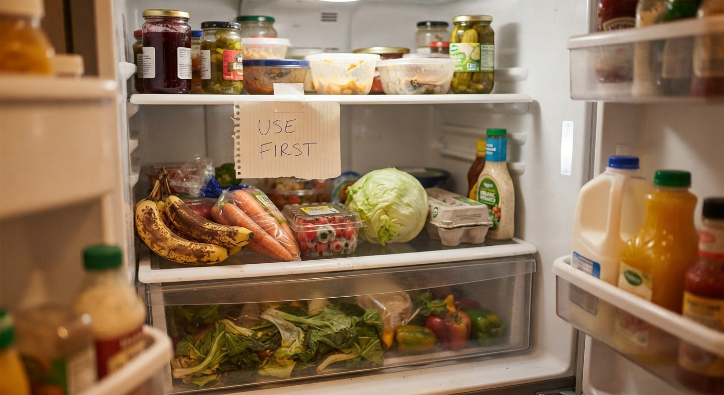
You sat down, planned out a week of meals, and now you are staring at a blank page trying to figure out what to actually buy. This is where most people either forget half the ingredients they need or end up buying things they already have at home.
A good grocery list template for weekly meal planning solves that exact gap between the plan on paper and the cart at the store.
What tends to work best is not a fancier app or a longer list. It is a simple structure that mirrors how a grocery store is laid out, combined with a habit of checking your kitchen before you shop.
Why a Template Matters More Than It Seems
Most grocery list problems are not really about the list itself. They are about the process that happens before the list gets written. If you skip straight from meal plan to shopping cart, you tend to miss pantry staples, forget quantities, and buy duplicates of things sitting unused in the back of a cabinet. Also read Pantry Meal Planning With What You Already Have.
A structured template forces you to slow down for a few minutes and think through three things: what your meals actually require, what you already have, and how much you realistically need to buy. That short pause is where most of the savings and efficiency come from.
The Relationship Between Your Meal Plan and Your Grocery List
Think of your grocery list as a direct output of your meal plan rather than a separate task. Go through each planned meal and list every ingredient it needs, including small items like spices or condiments that are easy to forget. Once you have the full ingredient breakdown, you can organize it into a shopping friendly structure.
This is a process government nutrition resources also recommend. Government backed food shopping and meal planning resources exist specifically to help households plan meals and turn those plans into an organized shopping approach that supports both budget and health goals. The core idea is always the same: plan first, then shop, rather than shopping first and figuring out meals later.
Check Your Pantry Before You Write Anything Down
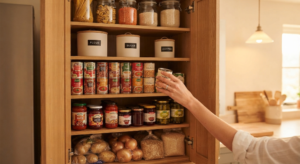
Before building your list, take two minutes to open the fridge, freezer, and pantry. You are not doing a full inventory, just checking for obvious overlaps: do you already have rice, canned tomatoes, or half a bag of onions?
University extension research on food waste prevention specifically recommends this step, noting that creating a grocery list should start with checking what you already have on hand, and only listing the ingredients you do not already have for the meals in your weekly plan.
This single habit prevents one of the most common sources of both wasted money and wasted food: buying something you already own.
How to Organize Grocery Categories
Once you know what you need, group items by store section rather than by recipe. Shopping recipe by recipe means walking back and forth across the store and often missing overlapping ingredients between meals.
Shopping by category means you move through the store once, efficiently, and naturally combine ingredients that repeat across multiple meals.
A useful structure includes:
Produce, for fresh fruits and vegetables
Protein, for meat, poultry, fish, eggs, and plant based proteins like beans and tofu
Dairy or alternatives, for milk, cheese, yogurt, and plant based substitutes
Grains and pantry items, for rice, pasta, canned goods, and baking staples
Frozen foods, for frozen vegetables, proteins, and prepared items
Snacks, for anything eaten between meals
Condiments and sauces, for anything that adds flavor to a base dish
Other essentials, for household items like paper towels or dish soap that often get grouped into the same shopping trip
You do not have to use these exact categories. If your local store is organized differently, or if you shop mostly online, feel free to adjust the structure to match your actual shopping habits. The goal is efficiency, not a rigid format.
Estimating Quantities Without Guessing
A common grocery list mistake is writing an ingredient without a quantity, which leads to either buying too much or coming home short.
When listing items, briefly note how many meals each ingredient supports. If a bag of spinach is used in two different meals that week, you likely need a larger bag than if it appears in just one recipe.
For fresh items in particular, it helps to have a general sense of how long they will realistically last in your kitchen so you are not buying more than you can use before it spoils.
Adapting the Template for Different Households
For one person, scale ingredient quantities down and lean more heavily on shelf stable pantry items that will not spoil before you can finish them.
For a couple, focus on ingredient overlap between meals so a single grocery trip covers most of the week without excess.
For a family, plan for larger quantities of staple items and consider separating the list into a main weekly shop and a smaller midweek top up for perishables like bread or milk.
Including Snacks, Staples, and Leftovers

Your grocery list should not only reflect main meals. Add a small section for snacks so they are not an afterthought purchase at checkout, and include recurring household staples like coffee, oil, or seasonings that are easy to forget because they are not tied to a specific recipe.
If you are planning intentional leftovers, note that in your list as well, so you are not accidentally buying extra ingredients for a meal that is already covered.
Reviewing the List Before You Shop
Before heading to the store, do one final read through. Cross check it against your meal plan to confirm nothing was missed, and glance at your pantry notes one more time to catch any last minute overlaps. This final review usually takes less than five minutes but prevents the most common shopping mistakes.
Illustrative Example
Picture a fictional household that used to write a single long grocery list with no categories or quantities. They would arrive home from shopping and realize they had bought three cans of the same beans they already had, while forgetting the flour a recipe needed.
After switching to a categorized template with a quick pantry check beforehand, their shopping trips became noticeably shorter, and they stopped finding duplicate ingredients buried in the back of the pantry.
Copy Friendly Grocery List Template
Copy this structure into Notes, Google Docs, a spreadsheet, or print it directly.
Weekly Grocery List
Week of: ___________
Produce [ ] Item __________ Quantity __________ [ ] Item __________ Quantity __________ [ ] Item __________ Quantity __________
Protein [ ] Item __________ Quantity __________ [ ] Item __________ Quantity __________
Dairy or Alternatives [ ] Item __________ Quantity __________ [ ] Item __________ Quantity __________
Grains and Pantry Items [ ] Item __________ Quantity __________ [ ] Item __________ Quantity __________
Frozen Foods [ ] Item __________ Quantity __________
Snacks [ ] Item __________ Quantity __________ [ ] Item __________ Quantity __________
Condiments and Sauces [ ] Item __________ Quantity __________
Other Essentials [ ] Item __________ Quantity __________ [ ] Item __________ Quantity __________
Already have, confirmed from pantry check
Conclusion
A grocery list template for weekly meal planning is not about making shopping look organized on paper. It is about closing the gap between what you planned to eat and what actually ends up in your cart.
By checking your pantry first, organizing items by category instead of by recipe, and estimating quantities intentionally, your weekly shopping trip becomes faster, cheaper, and far less likely to end with forgotten ingredients or duplicate purchases sitting in the cabinet.
Frequently Asked Questions
What should I include in a grocery list template for weekly meal planning?
Include every ingredient needed for your planned meals, organized by store category, along with rough quantities and a note of anything you already have at home.
How do I turn my meal plan into a grocery list?
Go through each meal on your plan, list every ingredient it requires, then check your pantry and only add the items you do not already have.
Should I organize my grocery list by recipe or by category?
Organizing by category, such as produce, protein, and pantry items, is generally faster because it matches how most grocery stores are laid out.
How do I avoid buying duplicate items I already own?
Check your fridge, freezer, and pantry for a few minutes before finalizing your list, and note anything you already have at the bottom of your template.
Can I use this grocery list template for one person or for a family?
Yes. The same structure works for any household size, you simply adjust quantities and add sections like a midweek top up if you are shopping for a larger family.
Should household items like paper towels go on the same list as food?
It can help to include a small “other essentials” section for household staples so you are not making a separate trip for non food items.
How often should I update my grocery list template?
Most people rebuild the list weekly based on that week’s meal plan, but the underlying template structure can stay the same every time.