
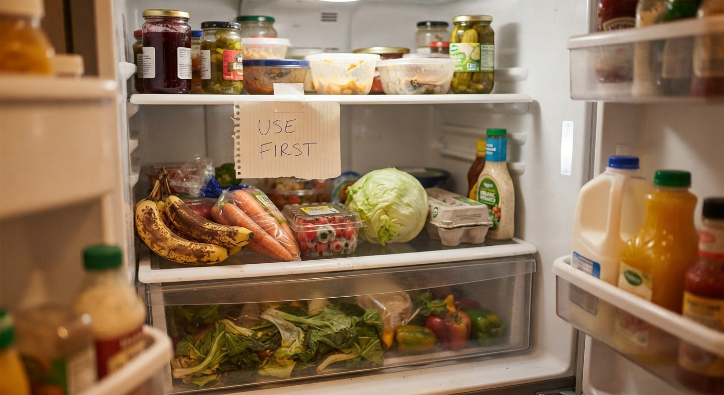
Half a bag of spinach going slimy in the crisper drawer. A container of rice that got pushed to the back of the fridge and forgotten. If any of that sounds familiar, the issue is usually not that you are careless with food.
It is that meal planning and food waste are treated as two separate problems when they are actually the same problem.
Zero waste meal planning tips work best when they focus on the planning stage itself, not just on storage or composting after the fact.
In my experience, the households that waste the least food are not necessarily the ones with the most discipline. They are the ones who plan meals around what is already in the kitchen before they think about what to buy next.
Meal Planning Is a Waste Prevention Strategy, Not Just a Time Saver
Most meal planning content focuses on saving time or eating healthier, which are real benefits, but zero waste meal planning has a different starting point.
The goal is to make sure that almost everything you bring into your kitchen actually gets eaten. That means planning meals around ingredients that are already there, not just ingredients that sound appealing at the store.
This is a meaningful shift in approach. According to the, preventing wasted food through source reduction means growing, buying, and preparing only what is needed, which saves grocery money and reduces the environmental impact of wasted food. Planning is the mechanism that makes that possible.
Start Every Plan With an Inventory Check

Before deciding what to cook this week, look through your fridge, freezer, and pantry first. You are specifically looking for two things: ingredients that need to be used soon, and ingredients you already have plenty of. This single step reframes meal planning from “what do I want to eat” into “what do I already have that needs a purpose.”
The EPA specifically recommends keeping a running list of meals and their ingredients that your household already enjoys, and checking your refrigerator, freezer, and pantry first to avoid buying food you already have. That simple habit is the foundation of almost every other zero waste tip that follows.
Build a “Use First” Section Into Your Plan
Once you know what needs attention, create a dedicated space on your meal plan, even if it is just a sticky note on the fridge, labeled “use first.” Also read Cheap Meal Plan for Two People a Week (7 Day Plan and Grocery List).
This might include the last third of a bag of carrots, a container of yogurt nearing its date, or leftover cooked rice from two nights ago. Plan at least one or two meals each week specifically around these items rather than treating them as an afterthought.
This is different from general food storage advice. Storage tells you how to keep food fresh longer. Meal planning tells you when that food actually gets used. Both matter, but zero waste meal planning is specifically about the second half of that equation.
Use Ingredient Overlap on Purpose
One of the most effective zero waste habits is buying an ingredient with more than one meal already in mind. If you buy a bunch of cilantro for tacos on Monday, plan a second use for it by midweek, whether that is a rice dish or a soup garnish.
This prevents the common pattern of buying a full bunch or bag of something for a single recipe, using a third of it, and letting the rest go bad.
When you are building your weekly grocery list, note next to each item which meals it supports. If an ingredient only supports one meal, ask whether a smaller quantity is available, or whether a substitution could let you use something you already have instead.
Plan Leftovers as Their Own Meal, Not an Accident
Leftovers often go to waste not because people dislike them, but because they were never actually planned for.
Build one or two nights into your week specifically around eating what is left from earlier meals. This is different from hoping leftovers get eaten. It means putting “leftovers night” directly on your plan the same way you would plan a new recipe.
Use Your Freezer as an Active Planning Tool
A freezer is often treated as a place food goes to be forgotten. In a zero waste meal plan, it becomes an active ingredient source. Before shopping, check whether your freezer already has proteins, bread, or vegetables that could fill a slot in this week’s plan.
If you have extra portions from a batch cooked meal, put them on the schedule for a specific week rather than letting them sit indefinitely.
Keeping a very rough freezer inventory, even just a running list on your phone, makes this step far easier and prevents the common problem of freezer items being forgotten until they are freezer burned.
Avoid Recipe Shopping That Creates Unused Ingredients
A common source of waste is buying a specialty ingredient for a single recipe that then sits unused. Before adding an unfamiliar ingredient to your grocery list, consider whether a substitution using something you already have could work just as well.
If you do want to try a new ingredient, look for at least one more meal that week where it could be reused, so the whole package or bunch gets a purpose.
Portion Planning to Avoid Overbuying
Buying in bulk can save money, but only if you can realistically use the full quantity before it spoils.
When planning meals, be honest about how much your household actually eats in a week. It is generally better to buy a smaller amount of fresh produce more frequently than to buy a large quantity that partially goes to waste before you get through it.
The Difference Between Waste Prevention, Storage, and Meal Planning
These three concepts often get blended together, but they serve different purposes. Storage is about how you keep food fresh once you have it. Waste prevention is the broader goal of not throwing food away. Meal planning is the specific tool that connects the two, because it determines whether the food you buy and store actually gets used before it spoils.
Zero waste meal planning tips work because they focus on that middle step, the actual scheduling of when ingredients get eaten.
Practical Zero Waste Meal Planning Example
Illustrative Example
Picture a fictional household that opens the fridge on a Sunday and finds half a bag of spinach, a container of cooked quinoa from earlier in the week, and three slightly soft tomatoes.
Instead of ignoring these items and planning a fresh set of meals, they build Monday’s dinner specifically around them: a quinoa and spinach skillet using the tomatoes as a base sauce.
The rest of the week is then planned around new ingredients, with one more “use first” meal built in for Thursday based on whatever needs attention by then. This approach means almost nothing sits forgotten by the following weekend.
Conclusion
Zero waste meal planning tips are most effective when they treat planning as the actual point of intervention, not an afterthought to storage or composting.
Checking your kitchen before you shop, building a dedicated use first section into your weekly plan, and treating your freezer as an active resource all work together to make sure the food you bring home actually gets eaten.
The result is not just less waste, but a meal plan that costs less and requires fewer last minute grocery runs.
Frequently Asked Questions
What are the most effective zero waste meal planning tips?
Checking your fridge, freezer, and pantry before shopping, planning meals around ingredients that need to be used soon, and building intentional leftover nights into your weekly schedule are among the most effective habits.
How is zero waste meal planning different from food storage?
Food storage focuses on keeping ingredients fresh, while zero waste meal planning focuses on scheduling when those ingredients actually get eaten before they spoil.
How often should I check my pantry before meal planning?
Doing a quick check once a week, right before you plan your meals and write your grocery list, is usually enough to catch ingredients that need attention.
What should go in a “use first” section of a meal plan?
Include ingredients that are close to their best quality date, partially used items like an opened bag of vegetables, or leftovers that have not yet been assigned to a meal.
Does zero waste meal planning mean I cannot buy in bulk?
Not necessarily, but bulk purchases work best when you can realistically plan enough meals to use the full quantity before it spoils.
How can my freezer help with zero waste meal planning?
Treating your freezer as an active ingredient source, rather than long term storage you forget about, lets you plan meals around what you already have instead of only what you buy fresh.
Is zero waste meal planning only about the environment?
It has environmental benefits, but it also tends to reduce grocery spending and cut down on last minute shopping trips, since you are making full use of what you already buy.