
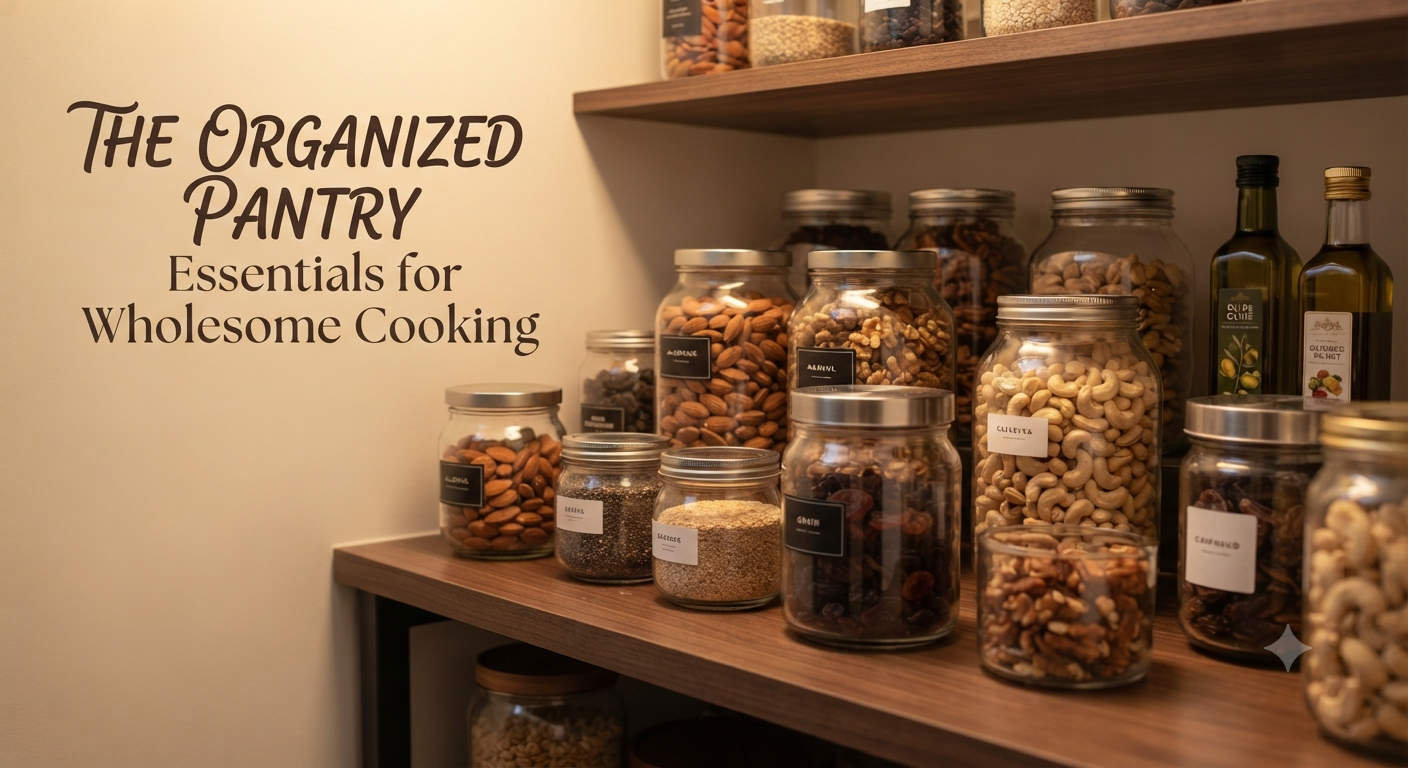
Transform your kitchen with this low carb pantry staples list. Discover the ultimate essentials that make healthy eating effortless.
Table of Contents
The Importance of a Clean Pantry
Core Pillars of a Low-Carb Pantry
Conclusion
Ditch the Sugar Cravings: How to Build a Low-Carb Pantry That Excites Your Tastebuds
Why You Love It
Transitioning to a low-carb lifestyle often feels restrictive when your shelves are empty or filled with boring, repetitive ingredients. You will love this article because it turns pantry organization into a creative culinary adventure. It introduces exciting alternatives, flavorful spices, and essential fats that make healthy cooking effortless, ensuring you never feel deprived or bored while reaching your wellness goals.
10 Essential Low Carb Pantry Staples List for Healthy Cooking
Transitioning to a low-carb lifestyle often fails when your kitchen lacks the right ingredients. Keeping a reliable low carb pantry staples list nearby makes healthy eating an effortless creative outlet instead of a daily struggle.
Core Pillars of a Low-Carb Pantry
To keep your meals exciting, stock these essentials:
Healthy Fats & Oils: Keep extra virgin olive oil, avocado oil, and grass-fed butter on hand.
Nut Flours & Binders: Almond flour, coconut flour, and psyllium husk powder open the door to low-carb baking. For healthy baking tips, visit Healthline Nutrition.
Flavor Boosters: High-quality sea salt, smoked paprika, garlic powder, and apple cider vinegar add bold flavor.
Crunchy Snacks: Keep raw almonds, walnuts, and pumpkin seeds ready.
Explore our internal collection of Brunch Fusion Recipes to use these staples effectively.
Pros
Decision Fatigue Reduction: Having a well-stocked pantry eliminates the daily stress of figuring out what to cook.
Flavor Without Sugar: Focuses on bold spices, vinegars, and healthy fats to maximize flavor naturally.
Baking Freedom: Introduces alternative flours like almond and coconut flour to satisfy baking cravings safely.
Sustainable Habits: Supports long-term low-glycemic eating by replacing processed snacks with wholesome nuts and seeds.
Cons
Upfront Investment: Stocking specialized low-carb staples like nut flours and high-end oils can be costly initially.
Flavor Adjustment Period: Transitioning away from refined sugars and standard flours takes time for your palate to adjust.
Pantry Space: Requires dedicated storage space for multiple specialized jars and alternative flours.
Conclusion
A well-stocked pantry removes daily decision fatigue and keeps you inspired to create wholesome meals on busy nights.
Ditch the Sugar Cravings: How to Build a Low-Carb Pantry That Excites Your Tastebuds
Why do low-carb diets often fail initially?
Diets frequently fail when your kitchen lacks proper ingredients, leaving you surrounded by processed snacks and high-glycemic temptations.
What are the core fat sources to keep in a low-carb pantry?
Essential fat sources include extra virgin olive oil, avocado oil, and grass-fed butter for seamless cooking and dressings.
What flours can be used for low-carb baking?
Almond flour, coconut flour, and psyllium husk powder serve as excellent low-carb, low-glycemic binders and flour alternatives.
How do I add flavor to low-carb meals without hidden sugars?
Utilize flavor boosters like sea salt, smoked paprika, garlic powder, apple cider vinegar, and unsweetened hot sauces.
What crunchy snacks are safe for a low-carb pantry?
Raw almonds, walnuts, pumpkin seeds, and unsweetened coconut flakes are perfect staples for satisfying crunch cravings.