Master food safety with this safe meal prep storage guide. Learn the science of the Danger Zone and how proper cooling keeps your food fresh.
Table of Contents
Introduction to Meal Prep Safety
The Danger Zone Explained
Top 5 Rules for Safe Storage
Conclusion
Meal Prep Like a Scientist: How Thermodynamic Cooling Prevents Food Poisoning
Why You Love It
Meal prepping is the ultimate secret to saving time during busy workweeks, but food safety is a critical factor that is often overlooked. You will love this article because it takes the anxiety out of storing weekly meals by introducing thermodynamic science and clear safety rules. It transforms how you organize your refrigerator, ensuring that your hard work in the kitchen results in nourishing, safe, and delicious meals rather than wasted food or foodborne illness.
5 Rules in Every Safe Meal Prep Storage Guide
Meal prepping saves hours of weekly kitchen time, but poor storage can turn a healthy menu into a breeding ground for bacteria. Following a comprehensive safe meal prep storage guide ensures your prepped dishes stay as safe as they are nutritious.
The Danger Zone Explained
Bacteria multiply most rapidly between 4°C and 60°C (40°F to 140°F). Leaving cooked grains, proteins, or roasted vegetables on the counter to cool slowly invites microbial growth. Rapid cooling is the key to food safety.
Top 5 Rules for Safe Storage
To maintain pristine food quality, keep these guidelines in mind:
The Two-Hour Rule: Never leave cooked food at room temperature for more than two hours. Divide large batches into shallow containers.
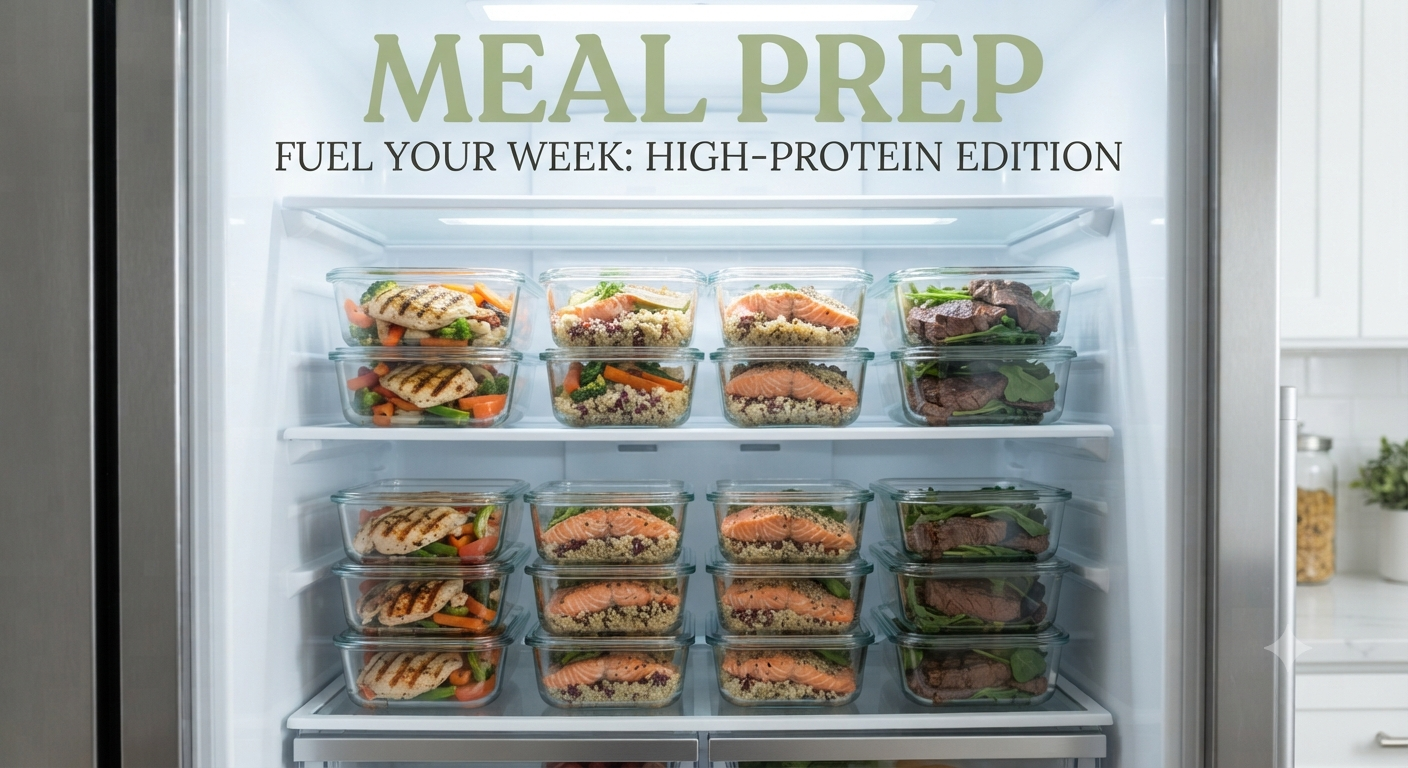
Airtight Glass Containers: Glass prevents chemical leaching and creates a robust barrier against moisture. For more details on container safety, visit FDA Food Safety.
Strategic Shelf Placement: Store ready-to-eat meals on upper refrigerator shelves and raw meats safely on the bottom.
Proper Labeling: Always date your containers to track freshness accurately.
Reheating Once: Only reheat the portion of food you plan to consume immediately.
Internal links to our other categories like Brunch Fusion Creative Recipes can help expand your cooking journey.
Pros
Microbiological Safety: Clearly explains the “Danger Zone” to protect you and your family from bacterial growth.
Actionable Workflows: Teaches rapid cooling techniques, such as using shallow containers to drop food temperatures quickly.
Container Guidelines: Emphasizes the benefits of switching to airtight glass containers to prevent chemical leaching.
Refrigerator Organization: Provides strategic shelf placement tips to eliminate cross-contamination risks entirely.
Cons
Extra Effort Required: Dividing food into shallow containers requires extra washing up and initial prep time.
Storage Space: Storing multiple glass containers requires adequate refrigerator and cabinet space.
Strict Discipline: Requires strict adherence to the two-hour rule, which can be challenging when managing a hectic schedule.
Safe Meal Prep Storage Guide Like a Scientist: How Thermodynamic Cooling Prevents Food Poisoning
What is the “Danger Zone” in food safety?
The Danger Zone refers to the temperature range between 4°C and 60°C (40°F to 140°F) where bacteria multiply most rapidly on cooked food.
Why shouldn’t I leave hot food on the counter to cool for hours?
Leaving hot food out for more than two hours keeps it in the microbial danger zone too long, inviting rapid bacterial growth and potential food poisoning.
How can I speed up the cooling process for prepped meals?
You can accelerate cooling safely by dividing large batches of hot food into shallow containers before placing them into the refrigerator.
Why are glass containers recommended over low-grade plastic for meal prep?
Glass prevents chemical leaching into your food and creates a robust, airtight barrier against moisture, air, and bacterial contamination.
Where is the safest place to store ready-to-eat meals in the refrigerator?
Ready-to-eat meals should always be stored on the upper refrigerator shelves, while raw meats must be kept safely on the bottom to prevent cross-contamination.
Safe Meal Prep Storage Guide Conclusion
A systematic, science-backed approach to kitchen organization keeps your meal prep routine healthy, safe, and stress-free.