
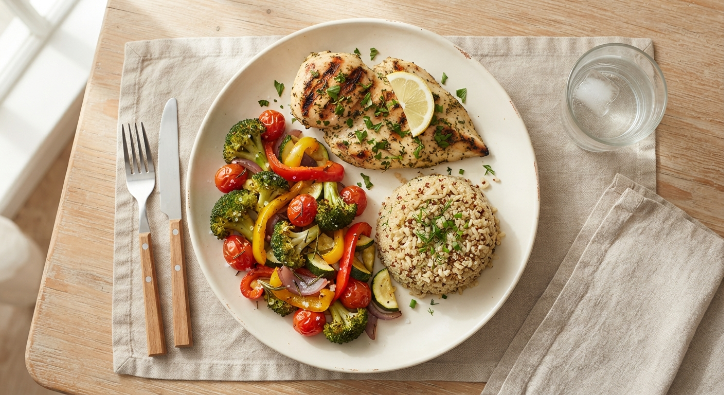
Meal planning for weight loss tends to fail for a predictable reason: it gets treated as a temporary restriction instead of an ongoing structure. Restrictive plans work for a few weeks and then collapse the moment life gets busy or stressful, at which point old habits return along with the weight.
A more durable approach treats meal planning as a permanent tool for making consistent decisions easier, not as a countdown to a finish line.
What I have found works best with sustainable weight loss is planning meals around structure and portion awareness rather than around eliminating entire food groups. That distinction sounds small, but it tends to be the difference between a plan someone follows for six weeks and one they can maintain well beyond that.
Build Meals Around a Consistent Structure
A simple, repeatable meal structure, protein, vegetables, and a modest portion of whole grains or starch, removes a lot of daily decision making. Instead of evaluating every meal from scratch, you are filling in a familiar template with different ingredients. The CDC’s guidance on healthier eating for weight management points to a similar structure, recommending that people prioritize protein at every meal, include a variety of vegetables and fruit, and pay attention to portion size alongside food choice, as outlined in its overview of building healthier meals and snacks.
Portion Awareness Without Constant Measuring

Weighing and measuring every ingredient is useful for a short calibration period but is rarely sustainable long term. Also read Budget Meal Planning: How to Eat Well Without Overspending Each Week.
A practical middle ground is using visual portion cues, a palm sized portion of protein, a fist sized portion of vegetables, a cupped hand of grains, so you develop an intuitive sense of appropriate portions over time rather than relying on a scale indefinitely.
Plan for Hunger, Not Around It
One mistake that undermines a lot of weight loss meal plans is spacing meals too far apart or making portions too small, which leads to excessive hunger later in the day and often results in overeating at the next meal or snack.
For a realistic weekly routine, plan meals and snacks that keep hunger manageable throughout the day rather than trying to power through long gaps on willpower alone.
Plan Meals Ahead of Time, Deliberately
The CDC specifically lists planning meals ahead of time as one of the concrete steps for weight loss, alongside setting specific, realistic short term goals rather than vague ones.
According to the CDC’s own steps for losing weight guidance, people who lose weight gradually, at a pace of about one to two pounds per week, tend to keep the weight off more successfully than those who lose it quickly, and a specific, written plan is part of how that gradual pace becomes achievable.
Do Not Eliminate Variety to Simplify Planning
It can be tempting to simplify weight loss meal planning by eating the exact same few meals every day. This can work short term, but eliminating variety for too long risks missing key nutrients and makes the plan harder to sustain socially and mentally.
A better approach for a realistic weekly routine is keeping your protein and vegetable base consistent while rotating seasonings, cuisines, and specific vegetables to maintain interest without adding planning complexity.
Real Life Example: How the CDC Frames Sustainable Weight Loss Planning
Rather than promoting rapid results, the CDC’s own guidance is explicit that healthy weight loss is a lifestyle built on several habits working together, not meal planning in isolation.
Its steps for losing weight page recommends setting two or three specific goals at a time rather than trying to overhaul every habit at once, and includes meal planning alongside sleep, stress management, and physical activity as connected pieces of the same goal.
This is a useful real world reference point precisely because it resists the appeal of a single dramatic meal plan. It frames meal planning as one lever among several, which matches what tends to hold up over months rather than weeks in practice.
Conclusion
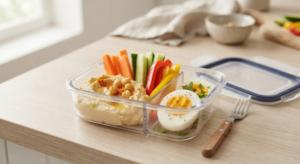
Meal planning for weight loss works best as an ongoing structure, not a short term fix. Build meals around a consistent template of protein, vegetables, and modest portions of grains, use visual portion cues instead of constant measuring, and plan meals and snacks closely enough together that hunger does not derail your evening. Progress built this way tends to be slower to show up on the scale, but far more likely to stay.
This article offers general meal planning guidance and is not medical or nutrition advice for any specific condition. If you have a health condition or specific weight related concerns, a conversation with a doctor or registered dietitian is the right next step before making significant changes.
Frequently Asked Questions
How many meals should I plan per day for weight loss?
Most people do well planning three meals and one or two snacks, spaced so hunger stays manageable rather than skipping meals and overeating later.
Do I need to count calories if I meal plan for weight loss?
Not necessarily. Structured portions using visual cues (palm sized protein, fist sized vegetables) can support gradual weight loss without formal calorie tracking, though tracking works well for people who prefer more precision.
Is it better to lose weight quickly or gradually?
Gradual weight loss, generally around one to two pounds a week, is associated with better long term maintenance compared to rapid weight loss.
Should I eliminate carbohydrates to plan meals for weight loss?
No. Reducing variety too aggressively, including cutting out entire food groups, can risk missing key nutrients and often makes a plan harder to sustain over time.
How do I plan meals for weight loss without feeling restricted?
Focus the plan on a consistent structure (protein, vegetables, modest grains) rather than a list of forbidden foods, and rotate flavors and cuisines to maintain variety.
What if my weight loss meal plan does not show results right away?
Gradual, steady progress is expected and considered healthier than rapid change. Consistency over several weeks matters more than any single week’s results.
Can meal planning alone lead to weight loss, or do I need to exercise too?
Meal planning supports one part of weight management. Public health guidance generally frames it alongside physical activity, sleep, and stress management as connected habits, not a standalone solution.