
Introduction
Somewhere around Wednesday, the plan falls apart. Two recipes call for ingredients that never got used, dinner takes twice as long as expected, and half the produce from Sunday’s shopping trip is already going soft in the crisper drawer.
If this sounds familiar, the plan itself was probably not the problem. It was one or two specific, fixable habits working against it.
Understanding the real meal planning mistakes to avoid is often more useful than reading another list of generic planning tips, because most people already know the basics. What they need is a clear look at where their particular plan is actually breaking down.
Below are the mistakes that consistently derail an otherwise reasonable meal plan, why they happen even to organized people, and what to do differently starting this week.
Mistake 1: Planning Too Many New or Complicated Meals at Once
What it is: Filling an entire week with recipes you have never cooked before, several of which require unfamiliar techniques or long ingredient lists.
Why people do it: Planning day often happens with fresh energy and a stack of appealing recipes saved from the week before. It feels productive to plan something new every night.
Why it creates problems: By Thursday, that same energy is gone. Complicated recipes that looked exciting on Sunday feel like a burden on a tired weeknight, and they are the meals most likely to get skipped or replaced with takeout.
What to do instead: Limit new or complex recipes to one or two nights per week. Fill the remaining nights with meals you already know well and can cook without checking a recipe. This is one of the simplest ways to make a meal plan realistic instead of aspirational.
Mistake 2: Ignoring What Is Already in the Pantry and Refrigerator

What it is: Building an entire week’s plan from scratch without first checking what food is already at home.
Why people do it: It is faster to plan from recipe inspiration than to inventory a fridge shelf by shelf, especially on a busy planning day.
Why it creates problems: This leads directly to overbuying and, eventually, to throwing away food that was never used.
The EPA’s guidance on preventing wasted food at home points out that a large share of household food waste comes from food that was purchased but never used before it spoiled, often because it duplicated something already on hand.
What to do instead: Spend five minutes checking the fridge, freezer, and pantry before opening a single recipe. Build at least one or two meals around what needs to be used soon.
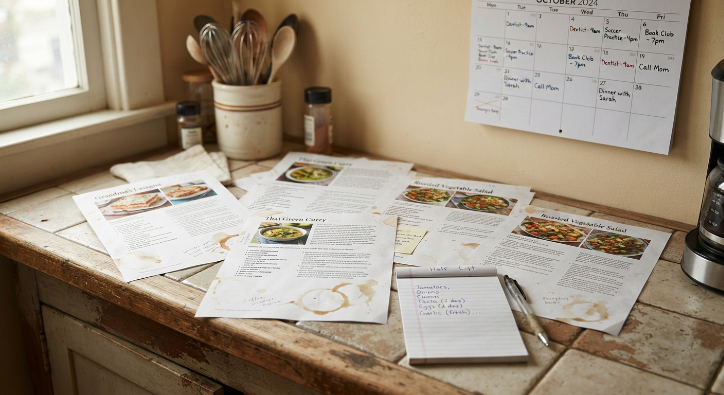
Mistake 3: Forgetting the Real Weekly Schedule
What it is: Planning an ambitious, from scratch dinner for a night that already has evening commitments, like practice, a late meeting, or a standing appointment.
Why people do it: Meal planning usually happens separately from checking the calendar, so the two do not always get compared side by side.
Why it creates problems: When the schedule and the meal plan do not match, the plan gets abandoned on the busiest night, which is exactly when structure is most needed.
What to do instead: Glance at the week’s calendar before assigning meals to specific days. Save the simplest, fastest meals for the busiest nights, not the most involved ones.
Mistake 4: Trying to Make Every Single Meal Completely Different
What it is: Insisting that no ingredient or dish repeats across the week, even in small ways. Also read How to Turn a Meal Plan Into a Grocery List.
Why people do it: Variety feels like a marker of a good meal plan, and repeating ingredients can feel like a lack of creativity.
Why it creates problems: This mistake multiplies your grocery list, increases cost, and makes leftover management nearly impossible, since nothing overlaps enough to reuse.
What to do instead: Let two or three ingredients repeat across the week on purpose. A protein used two different ways, or a vegetable that shows up in two meals, keeps the grocery list smaller and the cooking simpler without making meals feel repetitive.
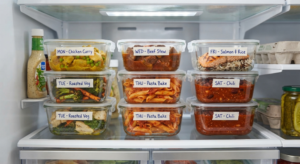
Mistake 5: Not Planning for Leftovers at All
What it is: Cooking a full recipe every single night with no plan for what happens to extra portions.
Why people do it: Leftovers can feel like an afterthought rather than an actual part of the plan.
Why it creates problems: Without a plan, leftovers often sit in the fridge until they are no longer appealing or safe to eat, which is both wasted food and wasted effort.
What to do instead: Intentionally build one or two nights around leftovers from earlier in the week. Label those nights directly on the plan so they do not get quietly skipped.
Mistake 6: Making an Overly Complicated Grocery List
What it is: Writing a shopping list straight from recipes without combining duplicate ingredients or organizing by category.
Why people do it: It feels efficient to copy ingredients directly from each recipe as you plan.
Why it creates problems: A disorganized list leads to duplicate purchases, forgotten items, and a longer, more frustrating shopping trip.
What to do instead: Take a few extra minutes to combine repeated ingredients and group the list by store section before you shop. It also helps to cross check items against the FoodKeeper storage tool from the United States Department of Agriculture, which shows typical timelines for how long common foods stay good, so you can skip buying something you likely already have on hand.
Mistake 7: Chasing a Perfect Plan Instead of a Workable One
What it is: Trying to build a flawless week with zero flexibility, no room for changed plans, and no backup option.
Why people do it: A perfect plan feels like the safest way to guarantee success.
Why it creates problems: Real weeks rarely go exactly as scheduled. A rigid plan with no flexibility tends to fall apart entirely at the first disruption, rather than bending slightly and continuing.
What to do instead: Build in one flexible night with a simple backup meal made from pantry staples. This single change absorbs most weekly disruptions without derailing the whole plan.
Illustrative Example
Consider a household that planned seven completely different, from scratch dinners every week for a month. By the fourth week, they had thrown away produce twice, ordered takeout on three separate nights, and felt like meal planning simply was not working for them.
After switching to a plan with two repeated ingredients, one leftover night, and one flexible pantry based night, they reported finishing most planned meals and noticeably reduced their grocery spending.
This is a representative illustration based on common planning patterns, not a documented case study of a specific person.
Conclusion
Most meal planning mistakes to avoid are not really about knowing the right information. They are about small planning habits that quietly work against the plan every week.
Checking the pantry first, matching meals to the real schedule, allowing some ingredient overlap, and building in flexibility are small adjustments that make an enormous difference in whether a plan actually survives a full week.
Pick one mistake from this list that sounds familiar and adjust just that one thing on your next planning day.
Frequently Asked Questions
What is the most common meal planning mistake?
Ignoring what is already in the pantry and refrigerator before planning new meals is one of the most common mistakes, since it leads directly to overbuying and food waste.
Why does my meal plan always fall apart by midweek?
This usually happens when meals are not matched to the real weekly schedule, or when every night includes a new, complicated recipe with no simpler backup option.
How many new recipes should I plan per week?
Limiting new or complex recipes to one or two per week, with the rest being familiar meals, tends to make a plan far more sustainable.
Should every meal in my plan be different?
No. Allowing two or three ingredients to repeat across the week actually simplifies grocery shopping and cooking without making meals feel repetitive.
How do I plan for leftovers without wasting food?
Label specific nights on your plan as leftover nights in advance, rather than leaving leftovers as an unplanned afterthought.
Is it a mistake to plan every meal in advance with no flexibility?
Yes, to an extent. Building in one flexible, pantry based night helps the plan absorb schedule changes instead of falling apart entirely.
How can I avoid overbuying groceries when meal planning?
Check your pantry, refrigerator, and freezer before writing your grocery list, and combine duplicate ingredients across recipes before finalizing quantities.