
Introduction
Opening a pantry that is full of pasta, crackers, and boxed rice mixes makes lower carb cooking feel harder than it needs to be, mostly because the shelf is stocked for a different way of eating.
A useful low carb pantry staples list solves that problem at the source, by replacing carb heavy defaults with shelf stable ingredients that are genuinely versatile. This is not a strict diet plan or a list of rules.
It is a practical starting point for anyone who wants lower carbohydrate meals to be the easy option on a weeknight, not the complicated one.
What Makes an Ingredient a Genuine Low Carb Staple
A good staple earns a permanent spot on the shelf by doing two things well: it stays low in carbohydrates on its own, and it works in more than one kind of meal.
According to Harvard T.H. Chan School of Public Health’s Nutrition Source, the quality of the foods included in a lower carbohydrate pattern matters as much as the carbohydrate count itself, with whole, minimally processed ingredients generally offering more nutritional value than heavily processed low carb branded products.
That is the filter used for every item on this list: shelf stable, minimally processed, and useful in multiple dishes.
The 10 Low Carb Pantry Staples Worth Keeping On Hand
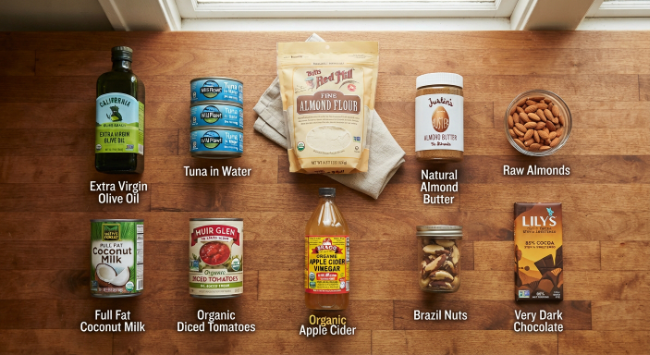
- Extra Virgin Olive Oil A base fat for cooking, dressings, and finishing dishes, with essentially no carbohydrates and a long shelf life stored in a cool, dark cabinet.
- Canned Tuna or Salmon A shelf stable protein that requires no cooking, works in salads, lettuce wraps, or a quick pan sear with vegetables, and stores for years unopened.
- Almond Flour A lower carbohydrate alternative to wheat flour for coating proteins, thickening sauces lightly, or baking, though it behaves differently than wheat flour and generally needs a recipe designed around it.
- Raw Nuts and Seeds Almonds, walnuts, chia seeds, and flaxseed add texture, healthy fats, and a bit of staying power to meals, and they store well in a sealed container or the freezer for extended freshness.
- Canned Coconut Milk Useful for curries, soups, and sauces that need richness without relying on flour based thickeners, and it holds up well unopened on a shelf for a long time.
- Natural Nut Butter Almond or peanut butter without added sugar works as a quick protein and fat source, a sauce base for stir fries, or a simple snack paired with vegetables.
- Unsweetened Shredded Coconut A flexible ingredient for adding texture to baked goods, toppings, or savory dishes, without the added sugar found in sweetened versions.
- Canned Diced Tomatoes A base for sauces, soups, and braises with no added sugar, useful year round regardless of what fresh tomatoes are in season.
- Low Sodium Broth A foundation for soups and braising liquid that adds flavor without added carbohydrates, and choosing a low sodium version keeps you in control of seasoning.
- Vinegar and Mustard A pantry duo that turns olive oil into a dressing in under a minute, and both keep for a long time in the cabinet without refrigeration required until opened.
How These Staples Work Together in a Week of Cooking
The real value of a stocked pantry shows up midweek, when fresh groceries are running low but dinner still needs to happen. Also read 7 Best Simple Steps on How to Organize a Small Kitchen Pantry.
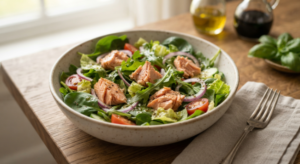
Canned salmon, olive oil, and a vinegar based dressing turn into a fast salad in ten minutes. Coconut milk, low sodium broth, and canned diced tomatoes become the base of a simmered curry or soup once you add whatever protein and vegetables are on hand.
Nut butter and a splash of vinegar make a quick sauce for roasted vegetables or grilled chicken. None of these combinations require a recipe you have never made before; they rely on ingredients that are flexible enough to improvise with.
Storage and Budget Considerations
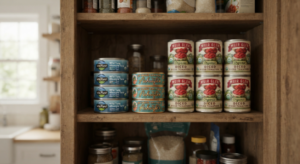
Most of these staples are shelf stable for months or longer when unopened and stored in a cool, dry place, which makes buying in bulk during a sale a reasonable strategy.
Nuts and nut flours are the exception: their natural oils can turn rancid faster than canned or bottled staples, so storing them in the refrigerator or freezer extends their usable life considerably.
Buying canned fish, tomatoes, and broth in larger case quantities is often meaningfully cheaper per unit than buying single cans repeatedly, which matters if cost is part of the decision alongside nutrition.
Real Life Example: What the Research Says About Staple Quality
A Harvard T.H. Chan School of Public Health study published in JAMA Network Open compared people following lower carbohydrate eating patterns built around plant based proteins, healthy fats, and whole grains against those following patterns built around animal proteins and refined starches.
The plant forward, whole food version of a lower carbohydrate pattern was associated with slower long term weight gain than the version built on more processed ingredients.
The practical takeaway for a home pantry is the same conclusion this article is built around: the specific staples you choose within a lower carbohydrate approach matter, not just the general idea of eating fewer carbohydrates.
Common Mistakes When Building a Low Carb Pantry
A frequent misstep is stocking up on packaged low carb snack products instead of whole ingredients, which often means paying more for something highly processed.
Another is buying nut flours in bulk and storing them at room temperature, where they can go rancid before you finish the bag. It is also easy to overlook that some canned and bottled products, like certain broths or flavored vinegars, contain more added sugar than expected, so a quick label check is worth the extra ten seconds.
Conclusion
Building a low carb pantry staples list is less about restriction and more about stocking ingredients that make lower carbohydrate meals genuinely convenient.
Olive oil, canned proteins, nut based flours and butters, coconut products, canned tomatoes, broth, and a good vinegar cover most of what a versatile lower carbohydrate kitchen needs.
Once these staples are consistently on the shelf, healthy cooking on a weeknight stops depending on a special trip to the store.
Frequently Asked Questions
What are the most important low carb pantry staples to start with?
Olive oil, canned fish, a natural nut butter, and canned diced tomatoes cover the widest range of meals and are a practical starting point for anyone building a low carb pantry from scratch.
How long do low carb pantry staples typically last unopened?
Most canned and bottled staples like olive oil, canned fish, coconut milk, and broth last many months to a couple of years unopened. Nuts and nut flours have a shorter shelf life and store best in the refrigerator or freezer.
Is almond flour a direct substitute for regular flour?
Not exactly. Almond flour behaves differently in baking than wheat flour, so it generally works best in recipes specifically developed for it rather than as a one to one swap in a standard recipe.
Are canned vegetables and beans considered low carb pantry staples?
Canned diced tomatoes and low sodium broth are commonly used low carb staples, but many beans and legumes are higher in carbohydrates and are better treated as a separate, moderate carb category depending on your goals.
Do low carb pantry staples cost more than regular pantry staples?
Not necessarily. Whole ingredients like olive oil, canned fish, and nuts can cost more per unit than heavily processed staples, but buying in bulk and avoiding packaged low carb snack products often keeps costs comparable.
Can these staples be used for meals that are not strictly low carb?
Yes. Every ingredient on this list works in ordinary cooking regardless of carbohydrate goals, which is part of why they make sense as everyday staples rather than a specialty stock reserved for one type of diet.
What is the best way to store nuts and nut flours to keep them fresh longer?
Refrigerating or freezing nuts and nut based flours slows the oxidation of their natural oils, which extends freshness well beyond what room temperature storage allows.