
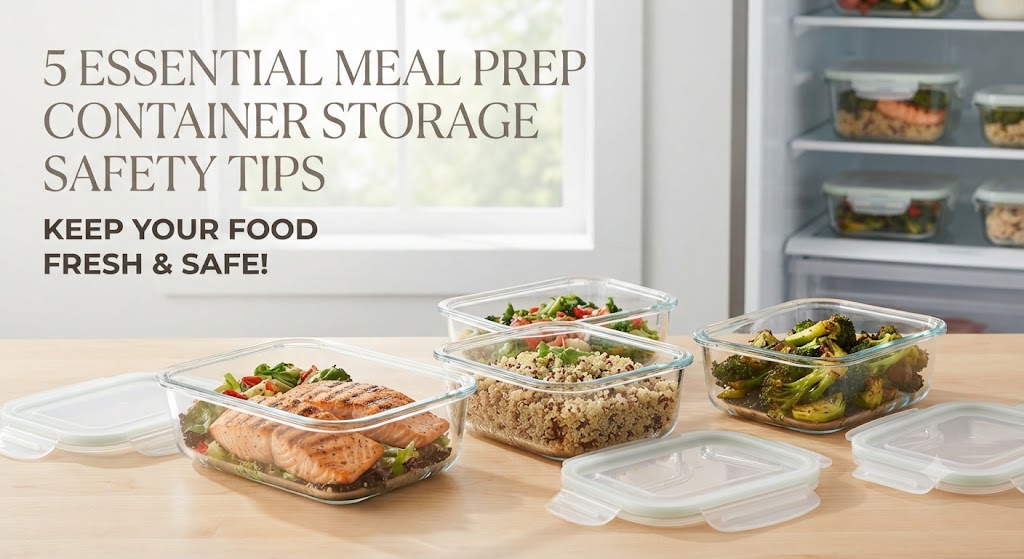
Protect your food with 5 essential meal prep container storage safety tips. Learn how proper storage prevents bacteria and chemical leaching.
Essential Meal Prep Container Storage Safety Tips
Why You Love It
Meal prepping is supposed to make your life easier and save you hours during a busy workweek. However, throwing food into random, low-quality containers can completely ruin your hard work and jeopardize your health. You will absolutely love this article because it acts as your ultimate, stress-free guide to food safety. It takes all the guesswork and anxiety out of storing your weekly meals by providing crystal-clear, actionable rules. Instead of wondering if your leftover chicken is still safe to eat, you will feel completely confident. This guide empowers you to build a safe, organized kitchen environment where every meal remains fresh, delicious, and perfectly uncontaminated, ensuring that your healthy eating journey stays on track without any unpleasant surprises.
Table of Contents
Introduction to Container Safety
Top 5 Storage Safety Tips
Conclusion
5 Essential Meal Prep Container Storage Safety Tips
Meal prepping is a fantastic way to stay organized during busy workweeks, but the quality of your storage containers matters immensely. Following proper meal prep container storage safety tips ensures that your prepped food remains free from chemical contamination and bacterial growth.
Top 5 Storage Safety Tips
To keep your kitchen running efficiently and safely, apply these storage practices:
1. Upgrade to Borosilicate Glass: Glass containers prevent toxic chemical leaching compared to low-grade plastics when exposed to heat.
2. Check Silicone Seals Regularly: Inspect rubber gaskets on container lids frequently to ensure mold and bacteria do not trap inside the crevices.
3. Cool Food Before Sealing: Never snap lids tightly onto warm containers trapped steam promotes rapid bacterial multiplication.
4. Organize by Expiration Dates: Use erasable labels to track exact prep dates and consume meals within optimal safety windows.
5. Store Raw and Cooked Separately: Maintain strict physical separation in your refrigerator to eliminate cross-contamination risks.
For additional kitchen safety guidelines, check resources on FDA Food Safety.
Pros
Maximum Health Protection: Prevents toxic chemical leaching by strongly recommending a switch to safe, heat-resistant borosilicate glass containers.
Bacterial Prevention: Explains exactly how to avoid trapping steam and condensation, which actively stops rapid microbial growth.
Reduces Food Waste: Implementing a strict labeling system ensures you track prep dates accurately and consume food within safe time windows.
Eliminates Cross-Contamination: Teaches you how to strategically organize your refrigerator shelves so raw ingredients never compromise your ready-to-eat meals.
Cons
Upfront Cost Investment: Upgrading an entire kitchen from cheap, flimsy plastics to high-quality glass containers requires an initial financial commitment.
Requires Extra Patience: Proper cooling techniques—like dividing hot food into shallow containers before sealing—add extra time and effort to your cleanup routine.
Demands Strict Routine: You must remain disciplined about checking seals, labeling containers, and organizing refrigerator shelves consistently every single week.
Conclusion
Safe storage practices turn your weekly meal prep routine into a completely secure, healthy, and stress-free habit.
Essential Meal Prep Container Storage Safety Tips
Why is glass preferred over plastic for meal prep storage?
Borosilicate glass does not leach chemicals or food odors into your meals when exposed to heat or oils.
Is it safe to seal warm food containers immediately?
No, trapping steam creates condensation that encourages rapid bacterial multiplication inside the sealed environment.
How often should silicone lid seals be checked?
You should inspect and clean removable rubber gaskets regularly to prevent hidden mold and bacterial buildup.
Where should raw ingredients be stored relative to prepped meals?
Raw meats must always be stored on bottom refrigerator shelves to prevent cross-contamination onto ready-to-eat meals.
Are erasable labels helpful for food safety?
Yes, tracking exact prep dates prevents food spoilage and ensures you consume meals within safe time windows.